
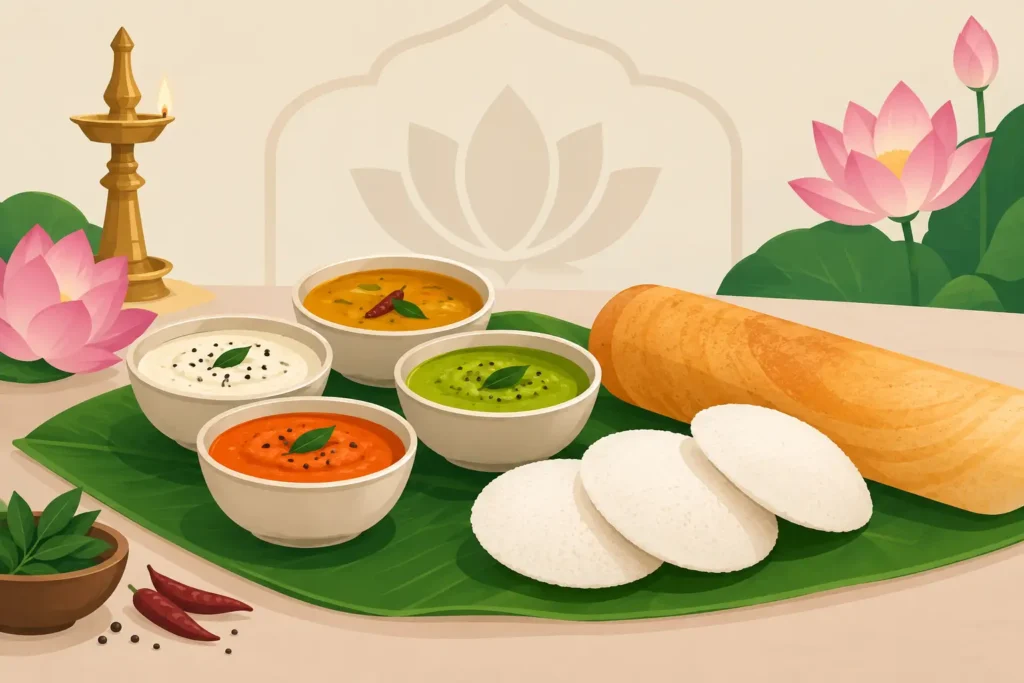
A great chutney does more than sit on the side of the plate. It can brighten a soft idli, cool down a spicy dosa, give crunchy snacks a tangy lift, or turn a simple rice bowl into a full-on flavor moment. Learning how to pair chutneys correctly is less about following strict rules and more about noticing what your food needs next: freshness, heat, creaminess, sweetness, or a little punch.
The best part? You do not need a table full of options to make your meal feel exciting. One well-paired chutney can change the whole vibe.
How to Pair Chutneys Correctly With South Indian Favorites
Start with contrast, then check for balance. If the main dish is warm, soft, and gently flavored, a lively chutney with tang or herbs brings it to life. If the dish already has a big spice kick, reach for something creamy, cooling, or slightly sweet.
Think of chutney as the friend who knows when to bring energy to the group and when to calm things down. Every pairing should make both sides taste better.
Coconut chutney loves warmth and spice
Coconut chutney is smooth, mild, and comforting, which makes it a natural match for hot, savory South Indian staples. Pair it with idlis when you want the softness of the idli to meet a cool, creamy finish. It also works beautifully with crispy dosa because it adds a gentler counterpoint to the dosa’s toasted edges.
If your meal includes bold sambar, coconut chutney creates a welcome pause between spoonfuls. The sambar brings warmth and depth; the chutney keeps the plate feeling light and easy to return to.
This is also a smart choice for anyone easing into stronger flavors. Coconut chutney does not compete for attention. It rounds out the meal.
Tomato chutney brings tang to mild, crispy dishes
Tomato chutney is for cravings that need brightness. Its natural tang and savory warmth work especially well with masala dosa, uttapam, and crunchy evening snacks. When a dish has rich potato filling, melted cheese, or a deep toasted flavor, tomato chutney cuts through that richness and keeps every bite exciting.
Try it with a cheese toast when you want comfort food with a sharper edge. The creamy, salty notes of the toast need something lively beside them, and tomato chutney brings exactly that kind of contrast.
Be careful with very spicy tomato chutney alongside a heavily seasoned dish. Two high-energy flavors can become noisy instead of delicious. In that case, add coconut chutney or sambar to create a more balanced plate.
Mint and coriander chutneys wake up snack time
Herby green chutneys are fresh, zippy, and made for foods that need a clean finish. Pair them with fried or toasted snacks, potato-based bites, sandwiches, and street-style plates. The bright herbal flavor refreshes your palate and makes rich snacks feel less heavy.
A mint-forward chutney is especially good when your food has cheese, chili, or bold seasoning. It does not erase the spice. It gives the spice a fresher landing.
For a casual meetup or campus snack run, this is the chutney that keeps people reaching back for one more bite. It feels familiar, fast, and full of personality.
Match Chutney Texture to the Food on Your Plate
Flavor gets most of the attention, but texture matters just as much. A thick chutney clings beautifully to crisp dosa pieces, toast, or bite-sized snacks. A looser chutney can soak gently into idlis and mingle with sambar for a softer, more comforting bite.
With a thin, crisp dosa, use a thicker coconut or tomato chutney so it stays on the piece instead of sliding away. With fluffy idlis, a slightly looser chutney is perfect because the idli absorbs flavor without losing its tender texture.
For rice and noodle bowls, use chutney with a little restraint. A spoonful can add character, but too much can take over the seasoning already built into the bowl. Start small, mix, taste, then decide if your craving wants more.
Build Pairings Around Heat, Tang, and Richness
The easiest way to make confident chutney choices is to notice three things: heat, tang, and richness.
If your dish is spicy, pair it with a mild coconut chutney or a yogurt-based dip if available. The goal is not to mute the food. It is to give the heat room to shine without overwhelming your palate.
If your dish is rich, cheesy, or buttery, choose tomato, mint, or coriander chutney. Tangy and herby flavors keep rich bites from feeling too intense. This is why a sharp chutney beside a cheesy snack feels so satisfying – the contrast keeps the flavor moving.
If your dish is mild, go bolder. A simple idli can carry a spicy tomato chutney, a garlic-forward chutney, or a green chutney with plenty of lemony lift. Mild foods are like a clean canvas, ready for a little flavor culture.
Sweet chutneys deserve a place here too. A date or tamarind-style chutney can soften the sharpness of spicy snacks and bring a deep, rounded tang. Use it when you want a sweet-spicy contrast, but avoid adding it to a dish that is already sweet or heavily sauced. The pairing should feel intentional, not crowded.
Pair Chutneys With Fusion Food Without Losing the Plot
Fusion food gives you more room to play, but it still needs balance. A chutney does not have to belong to one cuisine to belong on the plate. It just has to make sense with the food’s main flavors.
A mint-coriander chutney can bring freshness to a pasta bowl with chili and cheese. A tomato chutney can add an Indian-style tang to a grilled sandwich or toast. Coconut chutney can be a surprisingly good cooling side for a spicy rice or noodle bowl, especially when the bowl has lots of chili, garlic, or crunchy vegetables.
The trick is not to pour chutney over everything. Serve it on the side first. Dip one bite, then another. If the pairing works, you will know fast. If it does not, your main dish is still exactly as it should be.
This is the difference between experimenting and overdoing it. A little curiosity makes a meal memorable. Too many competing sauces can blur the flavors you were excited about in the first place.
A Simple Chutney Pairing Cheat Code
When you are choosing quickly, use this easy rhythm: creamy chutney for spicy food, tangy chutney for rich food, fresh green chutney for crunchy snacks, and bold chutney for mild comfort food.
There are always exceptions. A rainy-day plate of idlis may call for coconut chutney even if you are craving heat, while a crispy dosa might need both coconut and tomato chutney because one flavor is simply not enough. Your appetite gets a vote too.
At Avant-Aroma, that is part of the fun: mixing comfort with a little surprise, one dip at a time. Next time your plate arrives, taste the chutney before adding it everywhere. Let one bite lead to the next, and build the flavor combo that feels like your new favorite habit.