
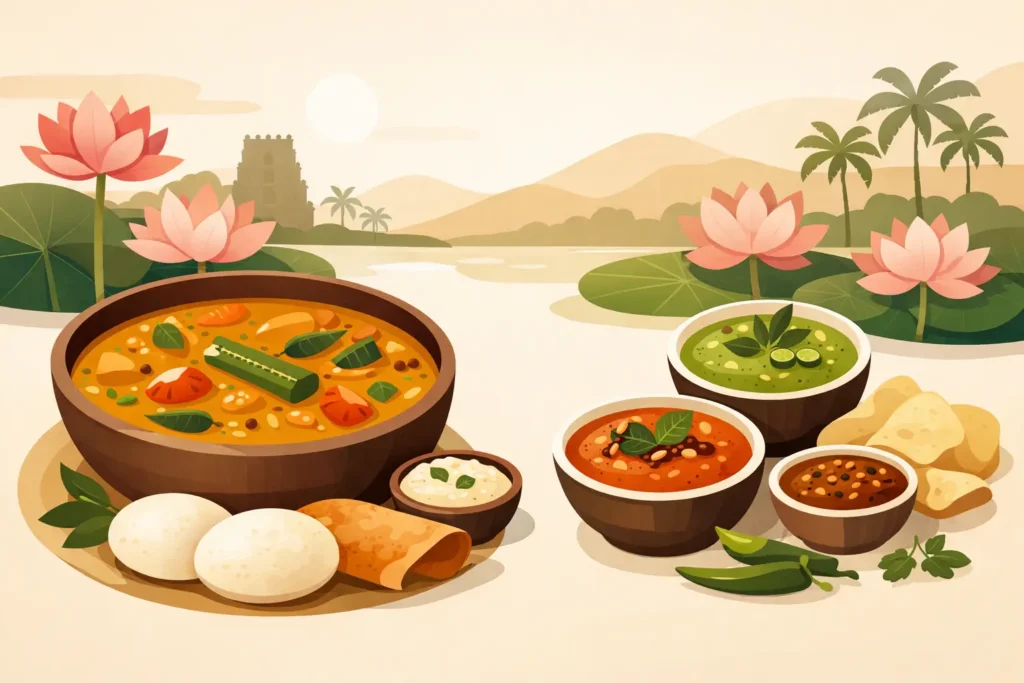
Some plates are easy. A masala dosa lands, the chutneys show up, the sambar is steaming, and suddenly the real decision starts. Not what to eat – how to eat it. That is where sambar vs chutney pairing gets fun, because the right match can turn a good bite into the kind of comfort-food moment you keep craving all week.
At first glance, sambar and chutney look like they do the same job. They sit beside your idli, dosa, or vada and wait to be scooped up. But they bring completely different energy to the plate. One is warm, spiced, and brothy. The other is punchy, creamy, sharp, or cooling depending on the blend. If you care about flavor, texture, and that perfect balance between comfort and excitement, choosing between them is not random.
Why sambar vs chutney pairing matters
South Indian food is built on contrast. Soft idlis love something that adds character. Crisp dosa needs support that does not flatten its texture. Vada wants a partner that can either soak in or cut through. That is why sambar vs chutney pairing is less about rules and more about reading the mood of the dish.
Sambar usually brings warmth, spice, tang, and a light lentil body. It fills out the plate. It makes a meal feel complete, especially when you want something more satisfying. Chutney works differently. Coconut chutney can cool and mellow a bite. Tomato chutney adds brightness and a little edge. Mint or coriander chutney can wake everything up. The choice changes the whole experience.
Think of sambar as the comfort track and chutney as the flavor remix. Neither is better all the time. It depends on what is on the plate and what kind of craving you are trying to answer.
Start with the base dish
Idli loves contrast
Idli is soft, airy, and almost cloud-like when done right. Because its flavor is gentle, it gives both sambar and chutney plenty of space to shine. If you want a fuller, more breakfast-meets-meal kind of bite, sambar is the stronger pairing. The warm lentil base seeps into the idli and makes every bite softer, juicier, and more comforting.
But chutney can be the better pick when you want the idli to stay delicate. Coconut chutney is a classic for a reason. It adds creaminess without overpowering the softness. Tomato chutney creates a sharper contrast and makes idli feel brighter and more playful.
If you are ordering idli when you want something soothing, go heavier on sambar. If you want quick, lively bites with more pop, chutney wins.
Dosa is all about texture
A dosa brings drama. You have the crisp shell, the soft inner layer, and often a masala filling that adds richness. Because there is already so much happening, the pairing needs a little more thought.
Chutney usually gets the first vote here because it keeps the dosa crisp for longer. A swipe of coconut chutney or tomato chutney adds flavor without soaking the outer layer too quickly. That matters if you love that crackly first bite.
Sambar still works beautifully with dosa, especially when you want a more filling plate. The catch is timing. Dip too much, too fast, and the dosa loses its crunch. For some people that is part of the comfort. For others, it is a missed opportunity.
So if texture is the priority, start with chutney. If warmth and heartiness are the goal, bring in the sambar after those first crisp bites.
Vada can handle both
Vada is the overachiever of the plate. It is crisp outside, soft inside, and strong enough to hold up against both chutney and sambar. In fact, this is where the two can work together best.
Sambar-vada is famous because the vada absorbs flavor without falling apart instantly. It turns rich and juicy while still keeping some bite. But chutney adds a layer that sambar alone cannot – a cooler, sharper finish that cuts through the fried richness.
If there is one dish where you do not have to choose sides, it is vada. Dip, dunk, alternate. This is balance doing its thing.
What each chutney brings to the table
Not all chutneys play the same role, so treating them as one category misses the point.
Coconut chutney
This is the calm one. Mild, creamy, slightly nutty, and easy to pair with almost everything. It works best when the main item is already spiced or when you want a softer, more classic flavor flow. With masala dosa, it gives relief. With idli, it keeps things light and smooth.
Tomato chutney
This one has more attitude. Tangy, savory, and often a little spicy, tomato chutney gives plain items extra lift. It is especially great when the plate needs brightness. If your dosa or uttapam-style bite feels rich, tomato chutney cuts through and wakes it up.
Mint or coriander chutney
Fresh chutneys bring a street-food kind of energy. They are sharper, greener, and more aromatic. These work well when the food has a modern twist or when you are pairing South Indian staples with snacky, fusion-style bites. They can be less traditional alongside every classic dish, but they bring serious freshness.
When sambar should lead
Sambar deserves more respect than being treated as the background bowl. A good sambar has layers – tang from tamarind, depth from lentils, sweetness from vegetables, and spice that builds without shouting. When it is well made, it does not just support the meal. It anchors it.
Choose sambar first when you want your plate to feel more complete and comforting. It is ideal for slower breakfasts, filling lunches, or any time a dry bite needs moisture and warmth. It is also the better match for people who like every mouthful to feel blended and generous instead of sharp and separated.
There is also an emotional side to sambar. Chutney excites. Sambar settles you in. That matters when comfort food is the point.
Sambar vs chutney pairing for fusion cravings
This is where things get interesting. When South Indian staples meet street-style flavors, the old rules bend a little.
If you are pairing chutneys or sambar with snack-forward foods, loaded dosa variations, toast-style bites, or bold sides, chutney often has the edge because it acts like a flavor accent. It keeps the plate energetic. A minty or spicy chutney can make a familiar base feel current and craveable.
Sambar, on the other hand, works best with fusion dishes when you still want the South Indian soul of the meal to stay front and center. It grounds bolder experiments. It says, yes, the plate has a twist, but the comfort is still here.
That balance is a big reason modern vegetarian comfort food feels so addictive right now. You get familiarity and surprise in the same meal.
The trade-off nobody talks about
The truth is, the best pairing depends on how you eat.
If you like dipping each bite and keeping flavors distinct, chutney is your move. If you like soaking, mixing, and building a more unified bite, sambar makes more sense. Neither approach is more correct. They create different experiences.
Temperature matters too. Hot sambar changes the texture of the food fast. Cool or room-temperature chutney gives you more control. Spice tolerance also plays a role. A fiery chutney can dominate a mild dish, while a gentler sambar can carry flavor without overwhelming it.
And then there is appetite. Sometimes you want a snack. Sometimes you want a full comfort session. Chutney often fits the first mood. Sambar usually fits the second.
How to build your own best combo
The easiest way to get pairing right is to stop asking which side is better and start asking what your main dish needs.
If the dish is soft, add contrast. If it is crisp, protect the texture at first. If it is rich, add brightness. If it feels too light, bring in warmth and body. That small shift makes ordering feel less random and much more satisfying.
At Avant-Aroma, that idea is part of the fun. Flavor is not just about what is on the menu. It is about how each bite lands – comforting, punchy, nostalgic, or totally new depending on how you pair it.
So which one wins?
If you want the honest answer, sambar and chutney are not rivals. They are mood-setters. Sambar is the cozy, slow-burn favorite. Chutney is the quick hit of personality. Idli can lean either way. Dosa often starts with chutney and moves to sambar. Vada happily says yes to both.
The smartest move is to treat pairing like part of the meal, not a side note. Taste the first bite with chutney. Try the next with sambar. Let the dish tell you what it needs. That is where the real flavor culture lives – not in fixed rules, but in those small choices that turn a regular meal into your new favorite habit.
Next time your plate arrives with both bowls in sight, do not rush the decision. Your best bite is probably one dip away.